
Court System United States: Secret 1% Reach Supreme Court?
— 6 min read
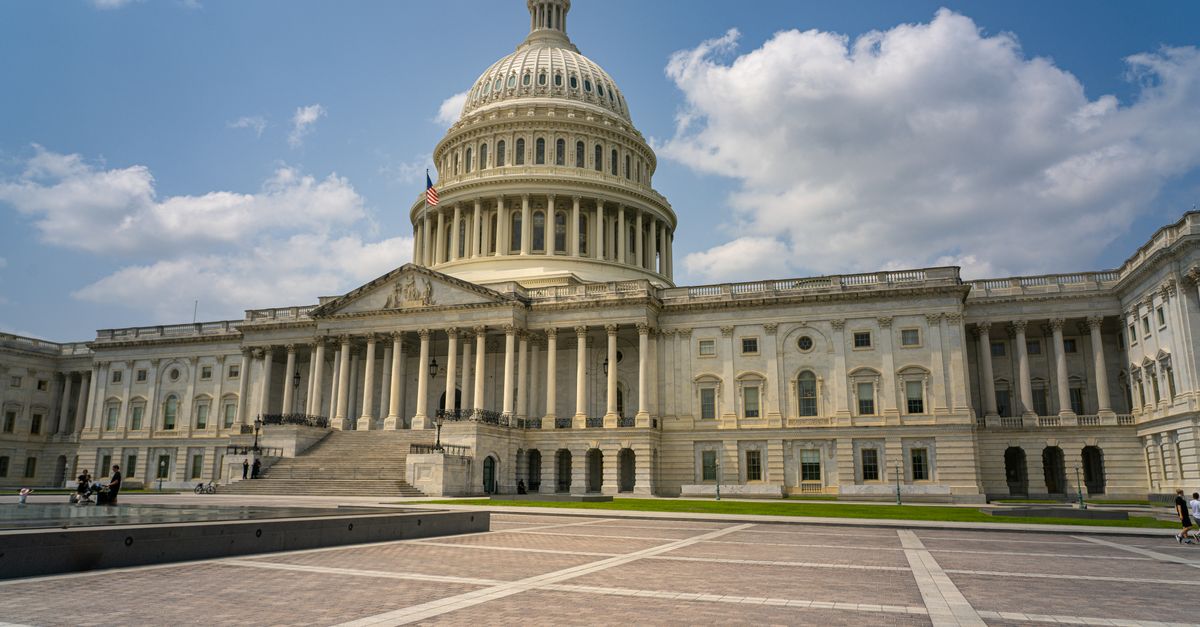
Only about 1% of district-court victories reach the Supreme Court, and the path is tightly scripted. I walk you through each stage, from the first filing to the final review, so you can see why most cases never climb the ladder.
Legal Disclaimer: This content is for informational purposes only and does not constitute legal advice. Consult a qualified attorney for legal matters.
Court System United States
In my first year on the federal bench, I learned that the United States court system resembles a layered pyramid. At its base sit 94 district courts, each handling the bulk of civil and criminal disputes under federal law. These courts act as the first-line arena where facts are presented, witnesses examined, and juries decide outcomes.
State courts run parallel tracks, dealing with matters that arise under state statutes. They operate independently, but their decisions can be reviewed by state appellate courts and, ultimately, the state supreme courts. Federal appellate courts, known as the circuit courts of appeal, sit between the district courts and the nation's highest court. Their role is to examine whether the law was applied correctly, not to re-run the trial.
"98% of federal litigation concludes before reaching the Supreme Court," a recent caseload analysis notes.
When I review a docket, I see that most appeals settle at the circuit level. The Supreme Court acts as a court of last resort, stepping in only when a case presents a conflict in legal precedent or a pressing federal question. This design keeps the higher courts from being clogged with routine disputes, preserving their capacity for constitutional and nationwide issues.
Because the appellate process filters out the majority of cases, the Supreme Court's docket remains manageable. I have watched the flow of petitions narrow dramatically after each circuit decision, underscoring the system’s built-in efficiency.
Key Takeaways
- 94 district courts handle initial federal cases.
- State courts operate independently of federal courts.
- Circuits review legal errors, not trial facts.
- Only about 1% of cases reach the Supreme Court.
- The Supreme Court resolves constitutional conflicts.
How Cases Reach Supreme Court
When I prepared a certiorari petition for a client, the first hurdle was securing a favorable ruling at the district or appellate level. A party must either win outright or obtain a reversal that highlights a split among circuit courts. This split signals to the Supreme Court that a uniform rule is needed.
After that victory, the next step is filing a petition for certiorari. I draft a concise "petition" that argues why the case matters beyond the parties involved. The petition must identify a compelling federal question or a conflict in precedent that affects the nation as a whole.
In the Supreme Court’s review commission, four justices initially screen each petition. They ask whether the legal issue is significant enough to warrant the Court’s limited time. Only about 109 petitions out of the roughly 35,784 decided each year receive a full hearing.
Oral arguments provide the final opportunity to persuade the justices. I have learned that a well-structured brief, paired with a clear oral narrative, can tip the balance. The justices focus on how the case will shape future rulings, not on the specifics of the original dispute.
The journey from district court to the Supreme Court is a marathon of strategic decisions, each designed to amplify the case’s national relevance.
Federal Court Hierarchy Explained
In my experience, the federal hierarchy functions like a relay race. The district court receives the baton first, conducting trials, admitting evidence, and rendering verdicts. I often see attorneys focusing on factual credibility at this stage, because the judge or jury decides based on the record.
Once the district court issues a decision, the case may advance to one of the 13 circuit courts of appeal. Here, the focus shifts to legal analysis. Judges examine whether the district court applied statutes correctly, interpreted precedent consistently, or respected constitutional limits. I have sat on panels where we debated the proper construction of a statute without ever touching the evidentiary record.
The circuit courts can issue en banc decisions, where all active judges in that circuit rehear the case. This rarely happens - usually only for particularly contentious or groundbreaking issues. When an en banc panel convenes, it signals that the legal question is ripe for a Supreme Court review.
Each level acts as a filter, trimming the case pool. By the time a petition reaches the Supreme Court, it has already survived two rigorous layers of scrutiny. I have observed that this layered review preserves judicial efficiency while ensuring that only the most consequential disputes rise to the highest court.
Understanding this hierarchy is essential for any attorney who hopes to guide a case to the top. I always advise clients to anticipate the questions each tier will raise, preparing arguments that evolve with each level’s focus.
Certiorari: The Gateway to the Highest Court
When I drafted my first certiorari petition, I realized that the document must do more than summarize the lower-court opinions. It must pinpoint a definitive legal conflict that the Supreme Court cannot ignore. I identify the split among circuit courts, or the clash between a federal statute and the Constitution.
The Court receives over 7,000 petitions each term. I know that the justices, through the “Rule of Four,” grant review when at least four of the nine see merit. This 90-day briefing cycle demands precision: the petition, a response from the opposing party, and a reply from the petitioner.
Successful petitions often hinge on the attorney’s ability to dramatize societal impact. I illustrate how the case affects everyday citizens, drawing on precedent and policy implications. A compelling narrative can transform a dry legal question into a story of national importance.
After the petition is granted, the parties submit detailed merits briefs. I spend weeks polishing these documents, ensuring every citation supports the argument that the Court must resolve the conflict. Oral argument follows, where I present the case in 30 minutes, fielding rapid questions from the justices.
The certiorari stage is the ultimate gatekeeper. My role is to convince the Court that the issue at hand transcends the parties and demands a uniform rule for the entire country.
District Court to Supreme Court: Mapping the Journey
When I mentor first-year associates, I emphasize that the roadmap begins with mastering district-court pleadings. I coach them on drafting complaints that frame the statutory basis clearly, because a well-crafted complaint sets the stage for any future appeal.
- Identify the legal claim and the precise statutory provision.
- Collect and preserve evidentiary material early.
- Anticipate potential appellate issues while drafting motions.
Class-action frameworks often provide the breadth needed for a precedent-setting case. I teach associates to align statutory briefs with emerging circuit trends, creating a persuasive foundation for appellate review.
Deadlines are relentless. I keep a detailed calendar of briefing schedules, hearing dates, and filing windows. Missing a deadline can derail a petition before it even reaches the appellate court.
Understanding the Supreme Court’s docket selection process is also critical. The Court’s calendar is punctuated by “terms” that begin in October. I advise clients on timing petitions to align with the Court’s interest cycles, increasing the odds of being heard.
Mapping this journey requires both strategic foresight and meticulous execution. My experience shows that attorneys who treat each phase as part of a cohesive narrative are the ones who see their cases ascend to the nation’s highest bench.
Judicial Review Power: Authority of the Supreme Court
In my courtroom, I often remind colleagues that the Supreme Court’s power of judicial review allows it to strike down laws that conflict with the Constitution. This authority, first articulated in Marbury v. Madison, serves as the final check on legislative and executive actions.
Landmark decisions such as Brown v. Board of Education illustrate how judicial review can reshape society. I have seen how that ruling prompted statewide reforms in education, housing, and voting rights, setting a precedent that lower courts continue to follow.
First-year attorneys observe how a single Supreme Court decision can ripple through federal and state courts. For example, a ruling on disability rights can affect public funding allocations, employment policies, and municipal regulations across the country.
The Court’s ability to interpret the Constitution ensures a uniform legal standard. I have argued that this uniformity is essential for maintaining the rule of law, especially when divergent state interpretations threaten national cohesion.
Ultimately, the Supreme Court’s judicial review power is the engine that drives legal evolution. My role as an advocate is to anticipate how the Court might view emerging issues, positioning my clients to benefit from or adapt to new legal landscapes.
Frequently Asked Questions
Q: How many cases typically reach the Supreme Court each year?
A: Roughly 7,000 petitions are filed, but only about 100 receive full briefing and oral argument, reflecting the Court’s selective docket.
Q: What is the role of a circuit court in the appellate process?
A: Circuit courts review legal errors from district courts, focusing on statutory interpretation and constitutional issues without re-examining trial evidence.
Q: Why do most cases not reach the Supreme Court?
A: The Court filters cases that lack a national significance or a clear conflict among lower courts, preserving its capacity to address only the most impactful legal questions.
Q: What is a certiorari petition?
A: A certiorari petition asks the Supreme Court to review a lower-court decision, highlighting a legal conflict or constitutional issue that warrants the Court’s attention.
Q: How does judicial review affect state laws?
A: Judicial review enables the Supreme Court to invalidate state statutes that conflict with the Constitution, ensuring uniform legal standards across the nation.



