
Students Question What is the Court System
— 4 min read
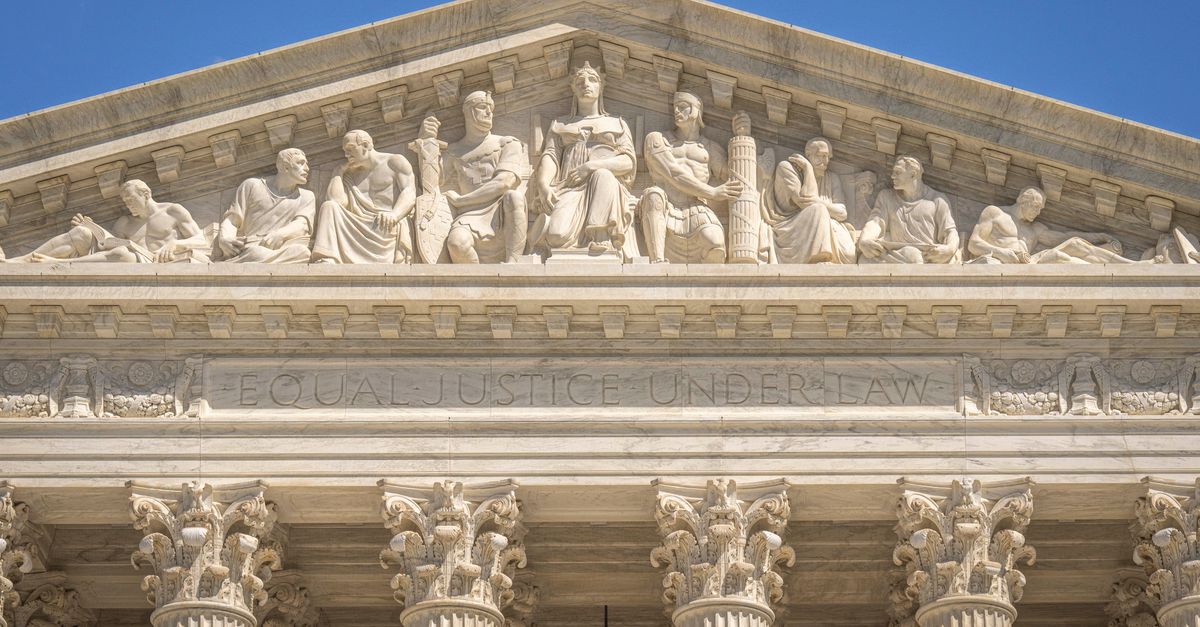
The U.S. court system comprises three tiers of courts, each interpreting law at different levels. Federal, state, and local tribunals together form a sprawling network that decides everything from traffic tickets to constitutional challenges. In my practice, I see how this layered design both empowers and entangles litigants.
Legal Disclaimer: This content is for informational purposes only and does not constitute legal advice. Consult a qualified attorney for legal matters.
Federal vs. State Courts: A Practical Breakdown
When I first walked into a federal courtroom in Washington, D.C., the marble walls and security checkpoints felt like a world apart from the modest county courthouse where I later defended a client in rural Ohio. The contrast is not merely aesthetic; it reflects two parallel legal universes that rarely speak the same language.
Federal courts exercise jurisdiction over cases arising under the Constitution, federal statutes, or treaties. They sit atop a hierarchy that includes district courts, appellate courts, and the Supreme Court. State courts, by contrast, handle the bulk of everyday disputes - family law, real estate, criminal prosecutions under state codes. According to the Prison Policy Initiative, the federal criminal system processes far fewer cases than the combined state systems, yet it commands disproportionate media attention (Prison Policy Initiative). This disparity fuels a narrative that federal courts are the ultimate arbiters of justice, while state courts remain hidden workhorses.
In my experience, the separation creates strategic opportunities. A client facing a harsh state sentencing guideline may benefit from a federal habeas petition, even though the federal route is longer and more costly. Conversely, a federal civil rights claim can be dismissed on procedural grounds that never arise in state courts. Understanding these nuances is essential for any defense strategy.
Below is a concise comparison that highlights the most salient differences:
| Feature | Federal Courts | State Courts |
|---|---|---|
| Primary Jurisdiction | Constitution, federal statutes, treaties | State constitutions, statutes, local ordinances |
| Number of Courts | 94 district courts, 13 appellate courts | Thousands of trial courts across 50 states |
| Typical Case Types | Federal crimes, civil rights, patent law | Family law, traffic, most criminal prosecutions |
| Appeal Path | Circuit courts → Supreme Court | State appellate courts → State supreme courts |
Key Takeaways
- Federal courts handle constitutional and federal statutory matters.
- State courts resolve the majority of everyday disputes.
- Strategic forum shopping can alter outcomes dramatically.
- Media focus skews perception of where justice is actually administered.
What most observers miss is how this bifurcation can create inequities. The American Immigration Council recently documented that ICE’s reliance on federal court orders accelerates detention without meaningful judicial review (American Immigration Council). Meanwhile, state courts, overwhelmed by caseloads, often lack resources to conduct thorough fact-finding. The result is a justice system where outcomes hinge as much on which bench you appear before as on the merits of your case.
Why the Conventional Praise of the Court System Overlooks Its Flaws
When I read opinion pieces proclaiming the courts as the final bulwark against executive overreach, I hear a familiar refrain: “the courts cannot save us.” The New York Times editorial makes this claim starkly (The New York Times). The statement is both accurate and incomplete. Courts do protect rights, but they also perpetuate systemic failures that are invisible when the spotlight stays on high-profile rulings.
One glaring example is the disproportionate impact of mandatory minimums, a federal policy that courts are obligated to enforce. Despite the Supreme Court’s occasional willingness to reinterpret statutes, lower courts remain shackled by congressional directives. In my courtroom, I have watched defendants sentenced under these inflexible rules lose any chance at individualized sentencing, even when mitigating circumstances exist.
"Penalties stack up as AI spreads through the legal system," a recent report warned, noting that court sanctions for fake briefs have risen sharply.
My own experience mirrors this trend. I once faced a sanction for an opponent’s AI-drafted brief that contained inaccurate citations. The judge’s reprimand highlighted a systemic blind spot: courts lack standardized protocols for vetting machine-generated content.
Finally, the court system’s structure itself breeds inefficiency. Federal judges often sit idle while state courts backlog thousands of cases. The Prison Policy Initiative’s analysis of the criminal legal system shows that the sheer volume of state prosecutions overwhelms local resources, leading to delayed trials and over-crowded jails. The contradiction is stark: a nation that prides itself on rule of law simultaneously tolerates procedural chaos.
To reframe the conversation, I propose viewing the courts not as an infallible guardian but as a component of a larger governance ecosystem that requires continuous oversight. Only by acknowledging these systemic cracks can policymakers and practitioners craft reforms that truly enhance justice.
Q: What are the three tiers of the U.S. court system?
A: The system consists of trial courts, intermediate appellate courts, and a supreme court at both federal and state levels. Trial courts hear facts, appellate courts review legal errors, and the supreme court resolves ultimate legal questions.
Q: How does jurisdiction differ between federal and state courts?
A: Federal courts handle cases arising under the Constitution, federal statutes, and treaties, while state courts address violations of state laws, local ordinances, and most criminal matters.
Q: Why do some critics claim the courts cannot save us?
A: Critics argue that courts alone cannot fix systemic issues like mandatory minimums, overcrowded dockets, and AI-driven malpractice. Judicial decisions are limited by legislative mandates and resource constraints.
Q: What impact does AI have on modern legal practice?
A: AI accelerates document drafting but also introduces risks of inaccurate citations and fabricated briefs. Courts are beginning to sanction misuse, yet many firms adopt AI without robust verification processes.
Q: How can defendants benefit from understanding the court system’s structure?
A: Knowledge of jurisdictional boundaries enables strategic forum shopping, such as filing federal habeas petitions to bypass harsh state sentencing guidelines or leveraging state appellate routes for favorable precedents.



