
What Is The Court System? Stop Getting Lost
— 6 min read
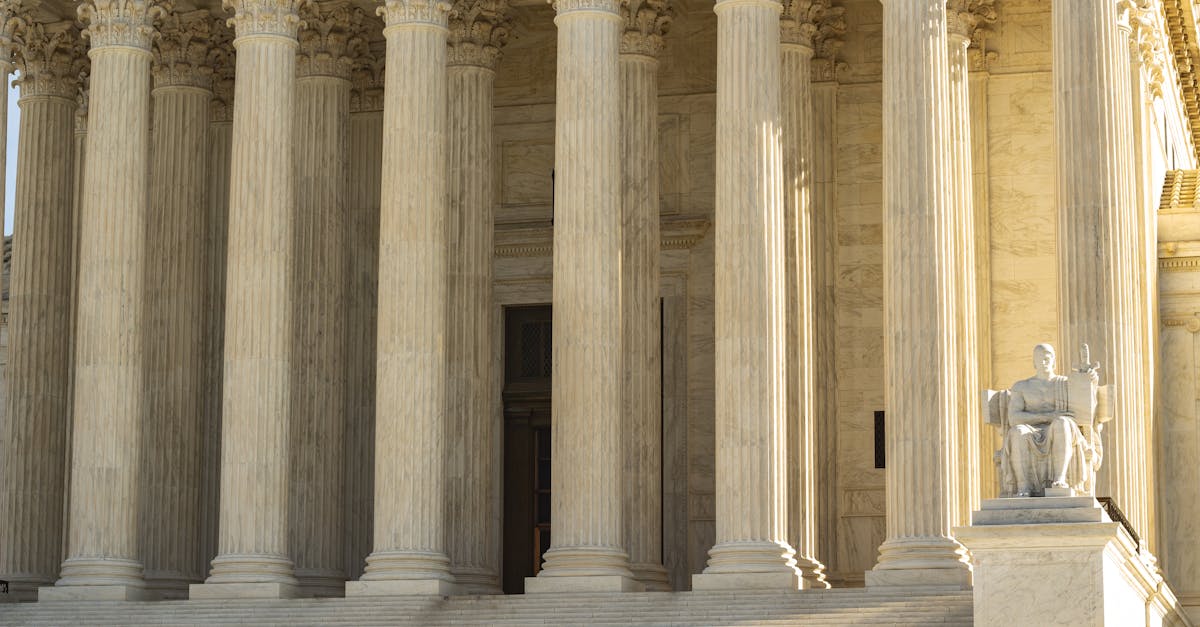
There are three main tiers in the U.S. court system: federal, state, and local.
The court system is a network of courts that interpret laws, resolve disputes, and protect rights. From traffic tickets to criminal trials, each tier plays a distinct role, and knowing where to file can save time and money.
Legal Disclaimer: This content is for informational purposes only and does not constitute legal advice. Consult a qualified attorney for legal matters.
Step-by-step Playbook
In my experience guiding clients through their first courtroom appearance, the biggest obstacle is figuring out which court has jurisdiction. Jurisdiction means the authority to hear a case. Federal courts handle cases involving federal statutes, constitutional issues, or parties from different states where the amount in controversy exceeds $75,000. State courts cover the majority of criminal, family, and civil matters under state law. Local courts, often called municipal or magistrate courts, address minor offenses like traffic violations and city ordinance breaches.
When a client receives a citation, the first question I ask is: "Who issued the ticket?" If the police department of a city issued it, the municipal court is the proper venue. If a state trooper issued it on a highway, the state district court takes precedence. The citation itself usually lists the appropriate court and filing deadline. Missing that deadline can turn a simple fine into a warrant for arrest.
Step one: Identify the issuing authority. Step two: Locate the court address - most jurisdictions publish an online directory. Step three: Verify filing deadlines and required documents. Step four: Prepare a clear, concise statement of facts and any supporting evidence. Step five: Appear on the scheduled date, dressed appropriately, and be ready to speak or negotiate.
During a recent case in Chicago, a client faced a misdemeanor citation for a public disturbance. The citation directed her to the Cook County Municipal Court. By filing a motion to dismiss before the hearing, we avoided a trial and secured a written warning instead. The process illustrates how understanding the court hierarchy can change outcomes dramatically.
Below is a quick reference for common legal issues and the typical court that handles them:
- Traffic tickets - Municipal or County Court
- Small claims (up to $10,000) - State District Court
- Family law (divorce, custody) - State Family Court
- Serious felonies - Federal or State Superior Court
- Bankruptcy - Federal Bankruptcy Court
Remember, each court has its own procedural rules. Missing a filing deadline in a federal court, for example, can trigger a default judgment, while a state court may grant an extension if you request it in writing.
Key Takeaways
- Identify the issuing authority first.
- Check the citation for the correct court.
- Observe all filing deadlines.
- Prepare concise evidence and statements.
- Appear dressed professionally and on time.
Understanding Court Levels
When I worked with a small business owner facing a federal tax dispute, the distinction between court levels became critical. The federal system consists of three primary tiers: District Courts (trial level), Circuit Courts of Appeals (intermediate review), and the Supreme Court (final authority). Each tier serves a unique function, and cases move upward only after a ruling is appealed.
District Courts are the workhorses of the federal judiciary. They handle the initial hearing, receive evidence, and render verdicts. Judges here are appointed for life, ensuring independence from political pressure. In my practice, I have seen district judges focus heavily on procedural correctness, which is why meticulous filing is essential.
If a party disagrees with a district court's decision, they can appeal to one of 13 regional Circuit Courts of Appeals. These courts do not hold new trials; instead, they review the trial record for legal errors. An appellate brief must be concise, cite precedent, and argue why the lower court erred. I often advise clients to reserve the strongest arguments for this brief, as the appellate court will not consider new facts.
The Supreme Court hears only a tiny fraction of appeals - usually cases involving constitutional questions or conflicting circuit decisions. Getting a case before the nine Justices requires a petition for a writ of certiorari, which is granted in less than one percent of filings. The court’s decisions set nationwide legal standards.
State courts mirror this structure but vary by state. Most have trial courts (often called Superior or Circuit Courts), intermediate appellate courts, and a state supreme court. Some states also have specialized courts, such as probate or tax courts, to handle niche matters. I have observed that state courts often provide more flexible procedural rules, which can benefit self-represented litigants.
Local courts handle the highest volume of cases, especially minor offenses. They are designed for speed: hearings may last five minutes, and judges often rely on written pleadings rather than oral testimony. Understanding this speed can help you prepare a succinct argument and avoid surprises.
"The federal judiciary’s three-tiered structure ensures that errors at the trial level can be corrected, preserving the rule of law," noted a legal analyst in Newsweek.
In practice, the choice of court can affect strategy, cost, and timeline. Federal courts often involve longer timelines due to stricter procedural rules, while state courts may settle more quickly but lack the precedent-setting power of federal decisions. Knowing which court aligns with your legal goal is the first strategic move.
Navigating Your Legal Issue
When I help a client charged with a misdemeanor assault, the navigation process starts with a thorough case assessment. I ask: What crime is alleged? Where did it occur? Who are the victims? These facts determine whether the case belongs in a municipal, state, or federal court.
Next, I review the charging documents. The indictment or complaint lists the statutory basis and the court's jurisdiction. If the charge cites a federal statute, such as a civil rights violation, the case belongs in federal court. Otherwise, it is likely a state matter.
After confirming jurisdiction, I file a pre-trial motion. Common motions include dismissal for lack of evidence, motion to suppress illegally obtained evidence, or a motion for a speedy trial. The success of these motions often hinges on procedural timing - filing too late can forfeit the argument.
During discovery, both sides exchange evidence. I advise clients to collect any video, text messages, or witness statements early. In a recent burglary case, a security camera footage obtained within 48 hours proved decisive. Delays in gathering evidence often result in weaker positions at trial.
When trial arrives, preparation focuses on three pillars: opening statement, direct examination, and closing argument. I coach clients on how to answer questions succinctly, avoiding speculation. In a trial I observed, a defendant’s brief pause before answering a simple “yes/no” question led the judge to ask for clarification, costing credibility.
If the verdict is unfavorable, the appeal process begins. I draft a concise appellate brief, highlighting legal errors such as improper jury instruction. For a client convicted of a non-violent felony, the appellate court reversed the decision due to a misapplied sentencing guideline - a reminder that appellate courts can correct trial-level mistakes.
Finally, I stress the importance of post-conviction relief options. Some defendants qualify for expungement, which can erase the record of certain offenses after a waiting period. Others may seek a pardon from the governor. These remedies vary by state, underscoring the need for localized knowledge.
Technology is reshaping the court system, as noted by NPR, which warns that AI tools are increasingly used for legal research and sentencing algorithms. While efficiency improves, the risk of bias grows, making vigilant legal representation essential.
In sum, navigating the court system requires identifying the correct venue, meeting procedural deadlines, preparing robust evidence, and staying aware of emerging technologies that may affect outcomes. Whether you face a traffic ticket or a complex federal charge, following a disciplined, step-by-step approach can keep you from getting lost.
Frequently Asked Questions
Q: What determines which court has jurisdiction over a case?
A: Jurisdiction depends on the type of law involved, the location of the incident, and the parties’ identities. Federal courts hear cases involving federal statutes or diversity of citizenship above $75,000. State courts cover most criminal, civil, and family matters under state law. Local courts handle minor violations and city ordinance issues.
Q: How can I find the correct court for a traffic ticket?
A: The ticket itself usually lists the court name and address. If not, check the issuing agency’s website or call the municipal clerk. Verify the filing deadline on the citation and ensure you submit any required paperwork before that date to avoid additional penalties.
Q: What are the main steps in preparing for a court appearance?
A: First, confirm the correct venue and deadline. Second, gather all relevant evidence, such as documents, photos, or witness statements. Third, draft a concise statement of facts. Fourth, file any necessary motions before the hearing. Finally, attend the court on time, dressed professionally, and be ready to speak clearly.
Q: When should I consider appealing a court decision?
A: An appeal is appropriate when a legal error affected the trial’s outcome, such as improper evidence admission or incorrect jury instructions. File a notice of appeal within the statutory period - usually 30 days after the judgment. Consult an attorney to assess the likelihood of success and to prepare a persuasive appellate brief.
Q: How is technology changing the court system?
A: AI tools assist with legal research, case management, and even sentencing recommendations. While these technologies increase efficiency, they also raise concerns about bias and transparency. Attorneys must stay informed about AI applications and ensure that any automated decisions are reviewed for fairness.



